

Physical Symptoms & Warning Signs of Opioid Addiction
Physical changes can sometimes provide early warning signs that opioid use is affecting a person’s health and daily functioning. Changes in sleep, appetite, energy, pupil size, coordination, or alertness may become noticeable over time. Withdrawal-related symptoms such as sweating, nausea, muscle aches, and restlessness may also occur when opioid levels decrease. At RBI Wellness Center, Dr. James Leach, MD, and our team evaluate these symptoms carefully to help determine appropriate next steps for recovery support. For more information, contact us or schedule an appointment online. We are conveniently located at 810 Mulberry St, Loudon TN 37774.
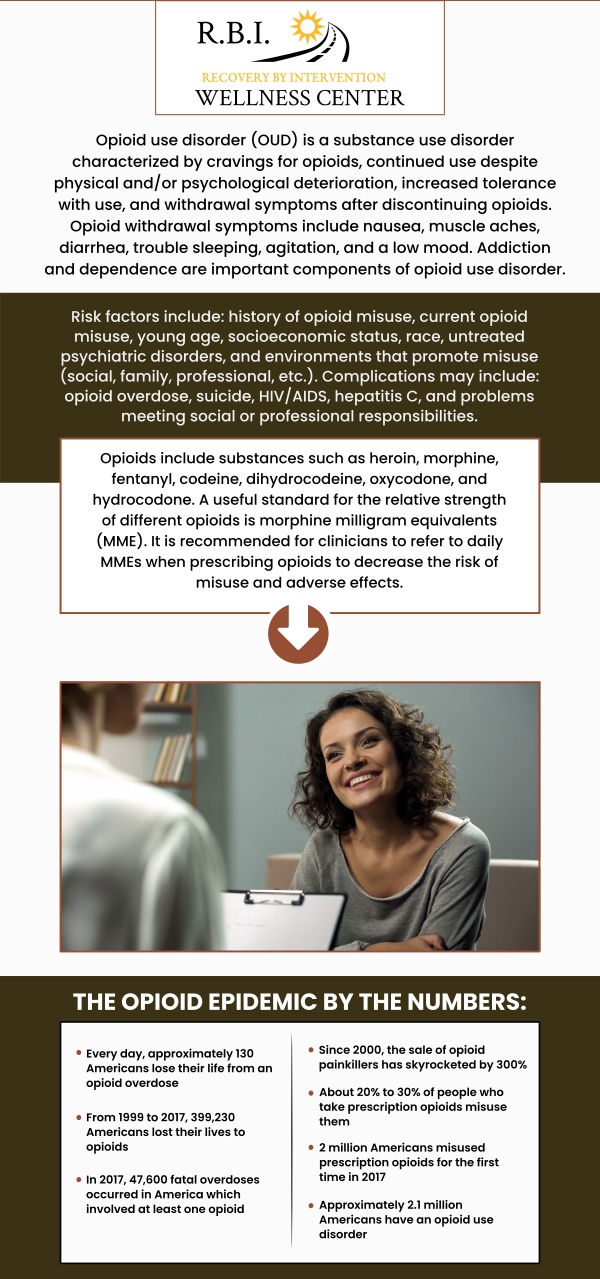
Table of Contents:
Can changes in sleep, appetite, and energy be physical warning signs of opioid addiction?
Are pinpoint pupils and unusual drowsiness physical signs of opioid misuse?
Why can opioid dependence cause sweating, muscle aches, nausea, or restlessness?
How can increasing opioid tolerance become a warning sign of opioid addiction?
How Can Dr. James Leach, MD and the Team at RBI Wellness Center Help Identify Physical Warning Signs of Opioid Addiction?
Physical changes can sometimes provide early clues that opioid use is beginning to affect a person’s health and daily functioning. Symptoms may involve sleep, energy, appetite, alertness, digestion, pain sensitivity, and withdrawal-related discomfort. However, no single symptom confirms opioid addiction, and some physical effects can also occur when opioids are taken exactly as prescribed. A medical evaluation can help determine whether symptoms may be related to opioid addiction, physical dependence, another health condition, or a combination of factors.
Changes in sleep, appetite, and energy can occur with ongoing opioid use and may become more noticeable as patterns of use change. Some individuals may sleep considerably more than usual, fall asleep unexpectedly, or experience disrupted sleep when the effects of opioids wear off. Others may have difficulty sleeping during periods of withdrawal. Persistent fatigue, reduced physical activity, or noticeable changes in normal daily routines may also raise concern when they occur alongside other signs of problematic opioid use.
Appetite can change as well. Nausea, constipation, reduced interest in food, or changes in everyday eating patterns may contribute to weight changes or lower energy. During opioid withdrawal, gastrointestinal discomfort and restlessness may further interfere with eating and sleeping. Understanding how Suboxone can help with opioid dependence may be useful for individuals experiencing cravings or withdrawal symptoms that make normal routines difficult.
These symptoms alone do not establish a diagnosis of opioid use disorder. Our team considers them together with medication use, cravings, tolerance, attempts to reduce opioid use, withdrawal symptoms, and effects on work, relationships, or responsibilities. An individualized assessment can determine whether Medication-Assisted Treatment or another recovery strategy may be appropriate.
Pinpoint pupils and pronounced drowsiness can occur when opioids are affecting the central nervous system. Other possible signs of opioid intoxication can include slowed responses, impaired coordination, slurred speech, or difficulty remaining awake. The CDC identifies pinpoint pupils and drowsiness among physical findings that can be consistent with opioid intoxication, although an assessment is needed because similar symptoms can have other causes.
It is especially important to distinguish ordinary sleepiness from possible overdose. A person who cannot be awakened, has slow or shallow breathing, develops choking or gurgling sounds, or has discolored lips or nails may be experiencing an opioid overdose. If an overdose is suspected, call 911 immediately and administer naloxone or another opioid overdose reversal medication if available. Do not leave the person alone.
When less urgent warning signs are appearing repeatedly, a professional evaluation can help determine what is happening. Our outpatient Suboxone treatment services are designed for individuals who need structured help for opioid use disorder while continuing their daily responsibilities. Patients can also review information about Suboxone eligibility for opioid use disorder to better understand how treatment decisions are made.
When opioids are used repeatedly, the body can adapt to their presence. If opioid levels suddenly decrease or opioid use stops, the nervous system may react with withdrawal symptoms. Common symptoms can include sweating, muscle or bone aches, nausea, abdominal discomfort, restlessness, anxiety, yawning, sleep problems, runny nose, vomiting, or diarrhea. The exact combination and intensity of symptoms can vary according to the opioid used, duration of use, dose, and individual health factors.
Withdrawal symptoms can make stopping opioids particularly difficult because taking another opioid may temporarily relieve the discomfort. This cycle can contribute to continued use even when someone wants to stop. A structured Suboxone treatment program may help eligible patients manage withdrawal symptoms and cravings while working toward greater stability.
Physical symptoms are only one part of recovery. Emotional triggers, stress, routines, relationships, and environmental factors may also influence opioid use. Our individual counseling services can help patients examine these factors and develop coping strategies, while case management can provide additional support for challenges that may interfere with consistent recovery.
Tolerance occurs when the body becomes less responsive to an opioid over time, meaning a person may feel that a previously effective amount no longer produces the same effect. Someone may begin using opioids more frequently or taking larger amounts in an effort to achieve the effect they once experienced. Increasing use can raise the risk of side effects, physical dependence, and overdose, particularly when opioids are combined with alcohol, benzodiazepines, or other sedating substances.
Tolerance alone does not automatically mean that someone has an addiction. It can develop in patients using prescribed opioids under medical supervision. Opioid use disorder is identified by a broader pattern that may include loss of control over use, strong cravings, unsuccessful attempts to cut down, continued use despite harmful consequences, or difficulty fulfilling important responsibilities. A medical assessment is therefore more useful than relying on one warning sign alone.
When tolerance appears alongside withdrawal symptoms, cravings, or difficulty controlling opioid use, seeking help early can reduce additional risks. Our team offers Suboxone treatment options in Tennessee as part of structured opioid recovery. Patients who have transportation, work, or scheduling barriers may also explore telehealth appointments and Suboxone telehealth treatment when medically appropriate.
Dr. James Leach, MD, is board-certified in Addiction Medicine and serves as Medical Director at RBI Wellness Center. When someone is concerned about possible opioid addiction, Dr. Leach and our team can review substance-use history, medications, physical symptoms, withdrawal experiences, tolerance, cravings, previous recovery attempts, and overall health. The purpose of this assessment is to understand the complete pattern rather than make assumptions based on one symptom.
Our addiction treatment services may combine medical care with behavioral and practical recovery support when appropriate. For individuals who are new to treatment, our new patient information explains how to begin care, while those ready to discuss their concerns can request an appointment. Identifying physical warning signs early can provide an opportunity to address opioid use before additional complications develop.
At RBI Wellness Center, Dr. James Leach, MD, and our team approach opioid addiction as a health condition requiring compassionate, evidence-based, and individualized care. Our founding vision emphasizes dignity and nonjudgmental support for people affected by opioid addiction. Whether someone is experiencing increasing tolerance, withdrawal symptoms, abnormal drowsiness, repeated cravings, or other concerning physical changes, our goal is to identify appropriate next steps and support a safer path toward lasting recovery. For more information, contact us or schedule an appointment online. We are conveniently located at 810 Mulberry St, Loudon TN 37774. We serve patients from Loudon TN, Lenoir City TN, Sweetwater TN, Farragut TN, Kingston TN, Maryville TN and surrounding areas.

Check Out Our 5 Star Reviews



Additional Services You May Need
• Telehealth Appointments
• Suboxone Treatment
• Individual Counseling
• Case Management
• Opioid Addiction Treatment
• Medication Assisted Treatment (MAT)
• Buprenorphine Treatment



 Send Text
 How May I Help You?